Original Story
NASA’s Curiosity Rover Just Ran the First Chemistry Experiment Ever Attempted on Another Planet. It Found 20-Plus Organic Molecules, Including a DNA Precursor.
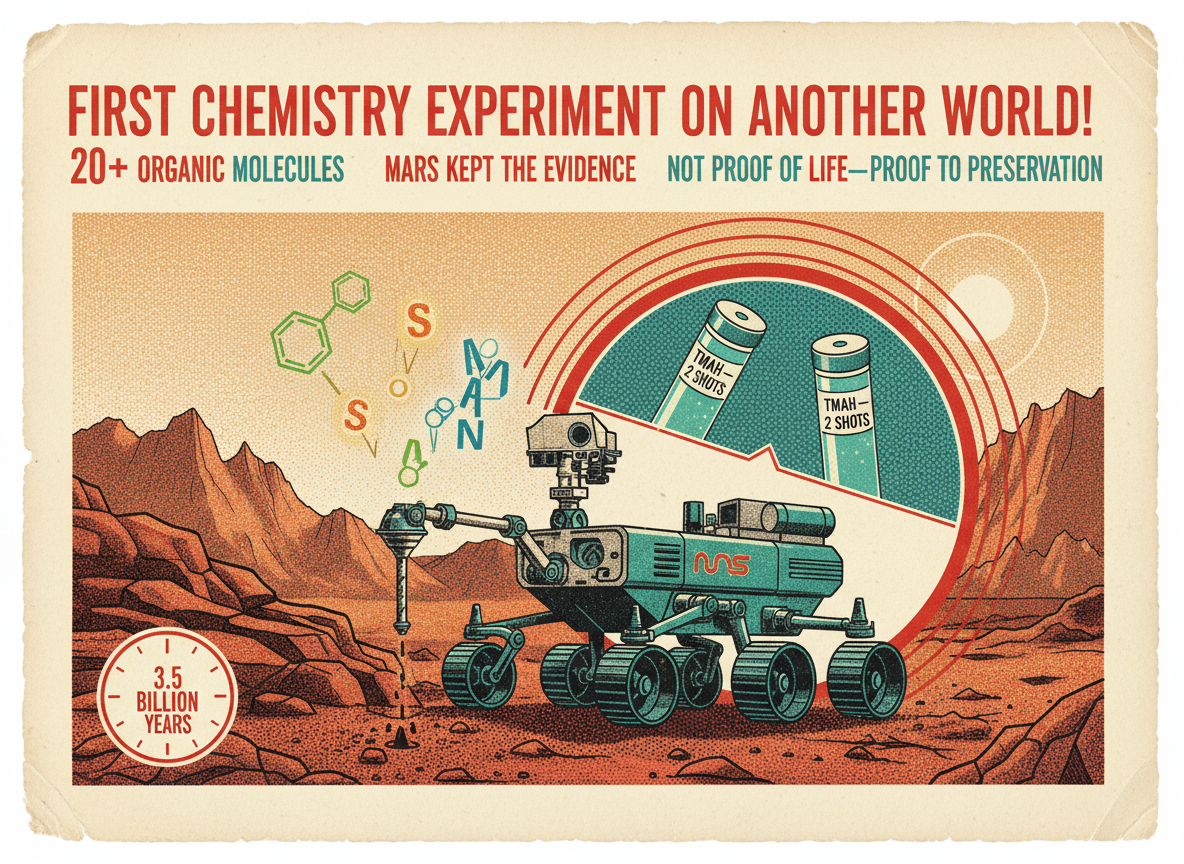
On April 21, 2026, NASA announced the results of a chemistry experiment conducted by the Curiosity rover in 2020 that has taken years to fully analyze. Using two tubes of a reagent called tetramethylammonium hydroxide — TMAH — the rover’s Sample Analysis at Mars instrument suite performed a procedure never previously attempted on any world other than Earth. The reagent breaks apart complex organic molecules into smaller fragments that the onboard instruments can identify. From clay-bearing rock samples drilled from a site in Gale Crater called Glen Torridon, the experiment detected more than twenty distinct organic molecules, including several never before confirmed on Mars. Among them: benzothiophene, a sulfur-containing compound found in meteorites and asteroids; and a nitrogen-bearing molecule with a structural resemblance to precursors of DNA. Published April 21 in Nature Communications, the results represent the most chemically complex organic detection yet made on Mars. They are not evidence of life. They are evidence that Mars kept the evidence.
The pressure on the experiment was not abstract. Curiosity carried exactly two doses of TMAH — two chances to run the procedure in the field on Mars, under conditions no lab on Earth could fully simulate in advance. The team selected Glen Torridon carefully, targeting it precisely because of its clay-mineral content and its profile as a region where ancient Mars conditions were considered favorable to habitability — an area of the crater floor that, roughly 3.5 billion years ago, was thought to be an ancient lakebed with standing liquid water.
Lead author Amy Williams, an astrobiologist at the University of Florida who works on the Curiosity mission, told AFP: “This experiment’s never been run before on another world. We had two shots to get it right.”
The experiment worked.
What Was Found and Why It Matters
The TMAH reagent doesn’t detect organic molecules directly. It cleaves them — breaking larger, complex macromolecular organic structures apart into smaller, identifiable fragments. The presence of those fragments is evidence that the parent molecules, larger and more structurally significant, existed in the rock. What Curiosity detected were the pieces; what those pieces imply is the whole.
Among the identified compounds: benzothiophene, a cyclic organic molecule containing both carbon and sulfur, commonly found in meteorites and carbonaceous asteroids, suggesting either delivery by space rock or formation through geological sulfur chemistry; and a nitrogen-bearing organic molecule structurally analogous to DNA precursors — the first such compound ever confirmed on Mars. The team also found evidence for complex macromolecular carbon, preserved across what they estimate to be more than 3 billion years of Martian surface conditions, including intense ultraviolet radiation and oxidation.
That last point is the finding’s most significant practical implication. Mars is a harsh preservational environment. It was widely assumed that organic molecules on the surface would be degraded and destroyed over geological timescales. The Curiosity results say otherwise. “We’re looking at organic matter that’s been preserved on Mars for 3.5 billion years,” Williams said. “If we want to search for evidence of life in the form of preserved organic carbon, this demonstrates it’s possible.”
What It Cannot Determine
The team is careful and explicit: these molecules do not confirm past life on Mars. Identical organic compounds can be produced through three completely separate pathways — biological processes, geological chemistry (such as hydrothermal reactions with water and minerals), or delivery via meteorite impact. On Mars, without a sample returned to Earth for laboratory analysis, the three cannot be distinguished from rover data alone.
The nitrogen-bearing DNA-precursor molecule is arresting in its structural similarity to compounds that preceded life on Earth. But structure is not origin. What the experiment establishes is preservation — the fact that complex organic chemistry, of whatever origin, survived on Mars at depths accessible to a rover drill for billions of years.
Williams described the TMAH experiment as “a trailblazer.” Versions of it will fly on the European Space Agency’s Rosalind Franklin rover, now scheduled to launch toward Mars in late 2028, and on the Dragonfly rotorcraft bound for Saturn’s moon Titan in the same year.
The result, the researchers wrote, “expands the library of confirmed and suggested organic molecules preserved over deep geologic time in the Martian near-surface and confirms the presence of macromolecular carbon on Mars.” They also noted the findings align with organic matter detections from NASA’s Perseverance rover, suggesting organic preservation is a consistent property of the Martian subsurface, not a single-site anomaly.
Sources: Nature Communications — Williams et al., Organic Chemistry Results from Curiosity SAM TMAH Experiment, Glen Torridon, Mars (April 21, 2026) — Phys.org — Mars Rover Detects Never-Before-Seen Organic Compounds in New Experiment (April 21, 2026) — CBS News — Mars Rover Carries Out Chemistry Experiment Never Done Beyond Earth, Discovers More Building Blocks of Life (April 21, 2026) — Popular Science — Curiosity Rover Finds Signs of Ancient Life on Mars (April 21, 2026) — Space.com — NASA’s Curiosity Rover Finds Building Blocks of Life on Mars, Scientists Aren’t Sure How They Got There (April 21, 2026) — Unexplained Mysteries — NASA’s Curiosity Rover Discovers Ancient Organic Matter on Mars (April 21, 2026)
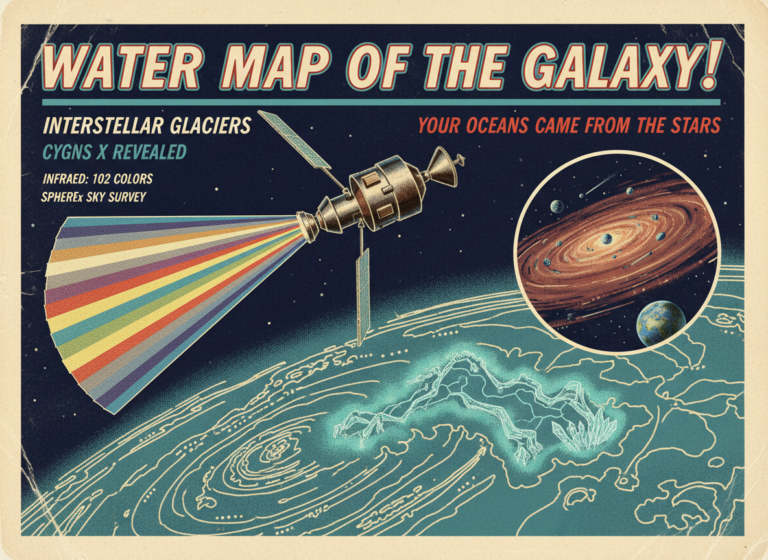
NASA Has Mapped the Water in the Galaxy. The Ocean Beneath Your Feet Came From Out There.
A study published in The Astrophysical Journal on April 15, 2026, based on data from NASA's SPHEREx mission, has produced the first…

A Machine Learning Algorithm Just Found 10,000 Alien Planets Nobody Had Seen Before. They Were Hidden in Data We Already Had.
The current official count of confirmed exoplanets — planets orbiting stars other than our sun — sits at roughly 6,300. It took…
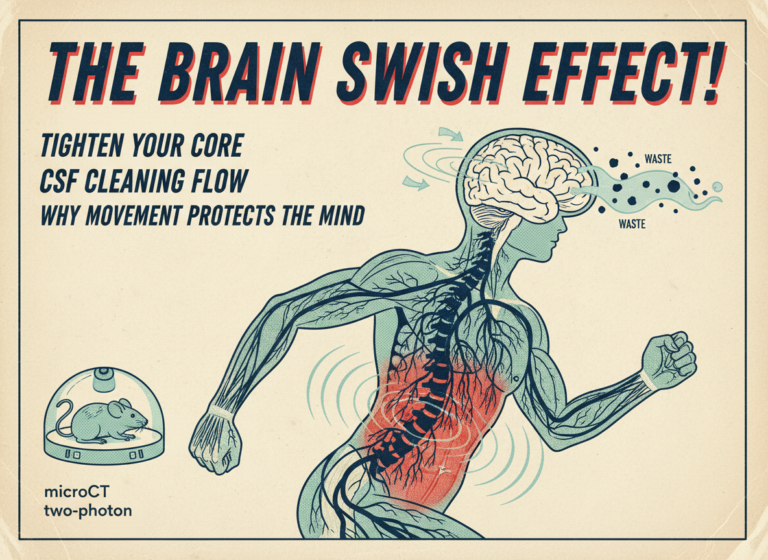
Every Time You Tighten Your Core, Your Brain Gently Swishes Around. That Might Be Keeping You Sane.
When you tighten your abdominal muscles — whether you are walking, standing up from a chair, or doing anything that engages your…

They Built a Temple Complex Before They Had Farming, Writing, or Pottery. New Finds at Karahan Tepe Just Made the Mystery Bigger.
Fresh discoveries at a 12,000-year-old site in Turkey called Karahan Tepe, the possible earliest village in human history, have uncovered more carved…