Original Story
Your Eyes Came From a One-Eyed Worm. Part of That Worm’s Eye Is Still in Your Head Right Now.
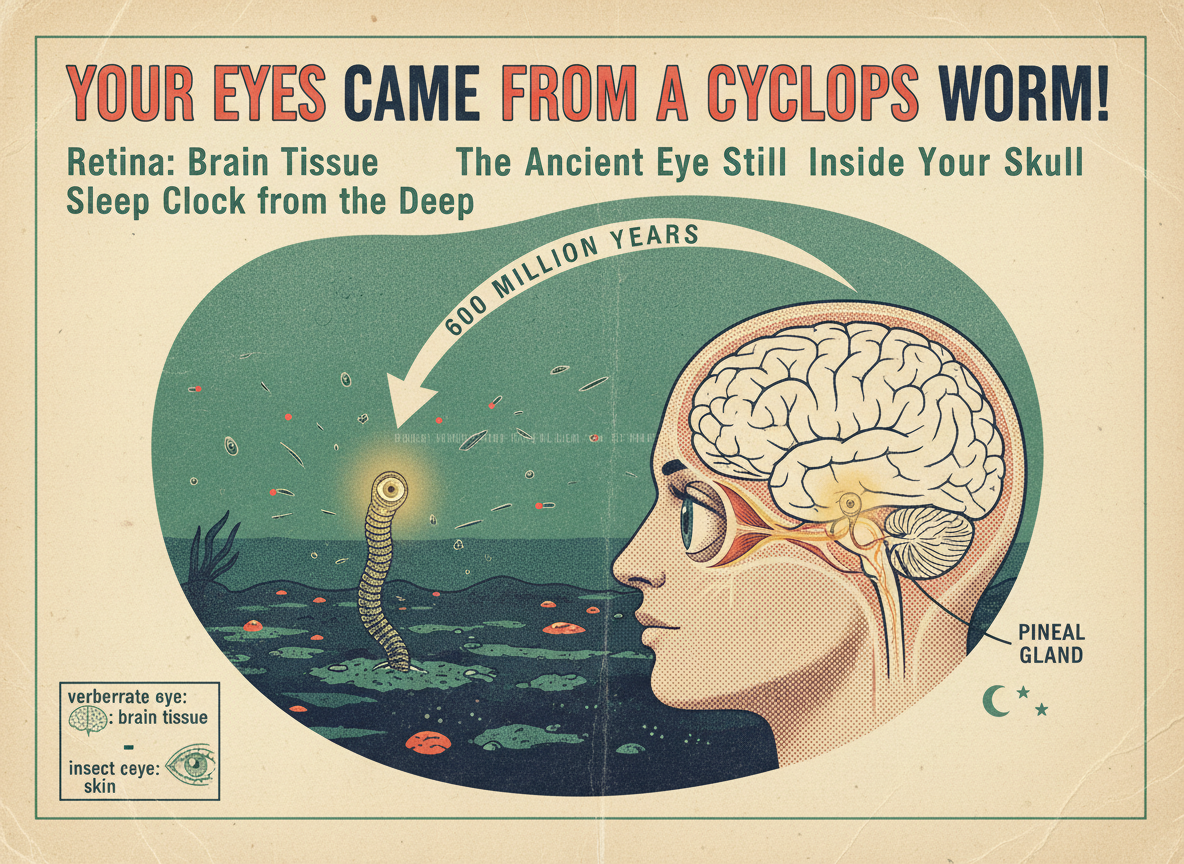
Six hundred million years ago, a tiny creature lived on the ocean floor. It looked something like a worm, it filtered plankton to eat, and it had a single eye on top of its head. That creature is your ancestor. More specifically, that single eye on top of its head is where your eyes came from — and a piece of it is still sitting inside your skull today. A new study published in Current Biology by researchers at Lund University in Sweden and the University of Sussex in the UK traced the entire evolutionary history of vertebrate vision and arrived at a conclusion that sounds like something out of mythology: every eye in every fish, frog, lizard, bird, and human being on the planet descended from that one original structure.
Here is the basic picture, before the weirdness sets in.
All vertebrates — meaning all animals with a backbone, including us — have eyes that work in a very specific way. The light-sensitive layer at the back of the eye, called the retina, grew out of brain tissue. This is unusual. Insects have eyes that develop from the skin on the sides of the head. Squid do too. But vertebrate eyes are fundamentally different at the developmental level: they are modified brain structures, not skin structures. Scientists have known this for a long time. What they have not had until now is a satisfying explanation for why vertebrate eyes are built so differently from every other type of eye in the animal kingdom.
The answer, according to Dan-Eric Nilsson of Lund University and his colleagues, is a 600-million-year-old detour.
The Cyclops Ancestor
The ancient creature at the center of this story was not large or dramatic. It was a small, worm-like filter feeder that lived a largely sedentary life, anchored in one spot, not chasing prey. It had one eye — a single light-sensitive organ sitting on top of its head, which researchers call a “median eye.” The median eye could tell the animal what direction light was coming from and signal the difference between day and night. That was enough for a stationary creature.
The researchers know about this ancient eye not from a direct fossil of the animal itself (soft-bodied creatures like this rarely fossilize) but from the detailed biological survey they conducted. They analyzed light-sensitive cells across 36 major groups of living animals, covering nearly every type of bilateral animal — meaning any creature whose left and right sides are roughly mirror images — on Earth. A clear pattern emerged from that survey, and it pointed back to this single ancestral structure.
Over millions of years, the researchers conclude, something happened to the descendants of this creature: they stopped being sedentary and started swimming actively. Moving actively through water creates a very strong pressure to develop better spatial vision. You need to track prey, avoid obstacles, and navigate. The median eye was not built for that. So evolution had to improvise.
The Eye That Was Lost and Rebuilt
Here is where it gets genuinely strange. The ancestors of modern vertebrates, as they transitioned to active swimming, appear to have essentially lost their original eye function — and then rebuilt their visual system from scratch using the same underlying tissue. The paired, image-forming eyes that all vertebrates carry today did not simply grow beside the original median eye. They developed out of it, repurposing its brain-connected tissue into a completely new structure capable of forming images.
“Now we finally understand why the eyes of vertebrates differ so radically from the eyes of all other animal groups, such as insects and squid,” Nilsson said. “The retina of our eyes developed from the brain, whereas the eyes of insects and squid originate in the skin on the sides of the head. Vertebrate eyes constitute a more modern model that evolved thanks to this peculiar detour via a cyclops’ sedentary life.”
The study was published in Current Biology on April 27, 2026.
The Part of the Worm’s Eye That Is Still in Your Head
After evolution finished repurposing the median eye into paired image-forming eyes, it did not throw away the leftover parts. One structure descended from the original median eye is still present in every vertebrate alive today, sitting deep in the center of the brain. It is called the pineal gland.
In some lizards and amphibians, the pineal gland still sits close enough to the skull surface to detect light directly. In humans, it has been buried deeper in the brain during evolution, but it retains its original function: it is still sensitive to light cycles. It is still tracking day and night. It still produces a hormone called melatonin in response to darkness, which is the signal that tells your body to sleep. The alarm clock in your skull is a 600-million-year-old eye that your ancestors stopped using to see.
“It’s mind-boggling,” Nilsson said, “that our pineal gland’s ability to regulate our sleep according to light stems from the cyclopean median eye of a distant ancestor 600 million years ago.”
Sources: ScienceDaily — Lund University: The Shocking Origin of Human Eyes Traces Back to an Ancient Cyclops (April 27, 2026) — Phys.org — Our Modern Vision Evolved from an Ancient One-Eyed Worm Creature (April 4, 2026) — Earth.com — Human Eyes Can Be Traced Back to an Ancient Cyclops Ancestor (2026) — [Current Biology — Kafetzis et al., Evolution of the Vertebrate Retina by Repurposing of a Composite Ancestral Median Eye (2026). DOI: 10.1016/j.cub.2025.12.028] — Daily Galaxy — 600 Million Years Ago a Cyclops Lived with a Single Eye on Its Forehead and Your Eyes Descend from It (2026) — Unexplained Mysteries forum — The Shocking Origin of Human Eyes Traces Back to an Ancient Cyclops (April 27, 2026)
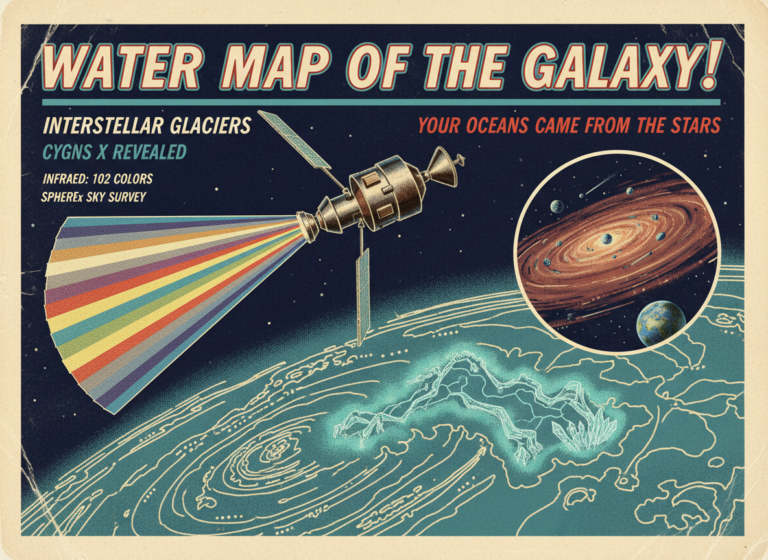
NASA Has Mapped the Water in the Galaxy. The Ocean Beneath Your Feet Came From Out There.
A study published in The Astrophysical Journal on April 15, 2026, based on data from NASA's SPHEREx mission, has produced the first…
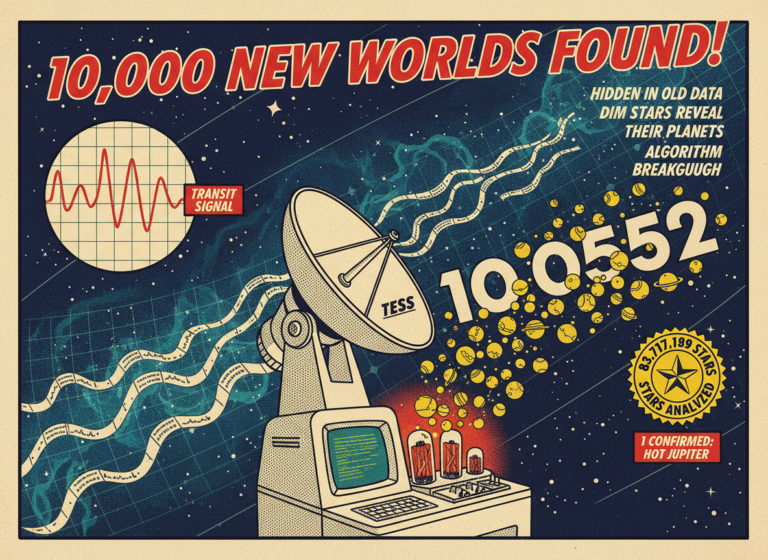
A Machine Learning Algorithm Just Found 10,000 Alien Planets Nobody Had Seen Before. They Were Hidden in Data We Already Had.
The current official count of confirmed exoplanets — planets orbiting stars other than our sun — sits at roughly 6,300. It took…
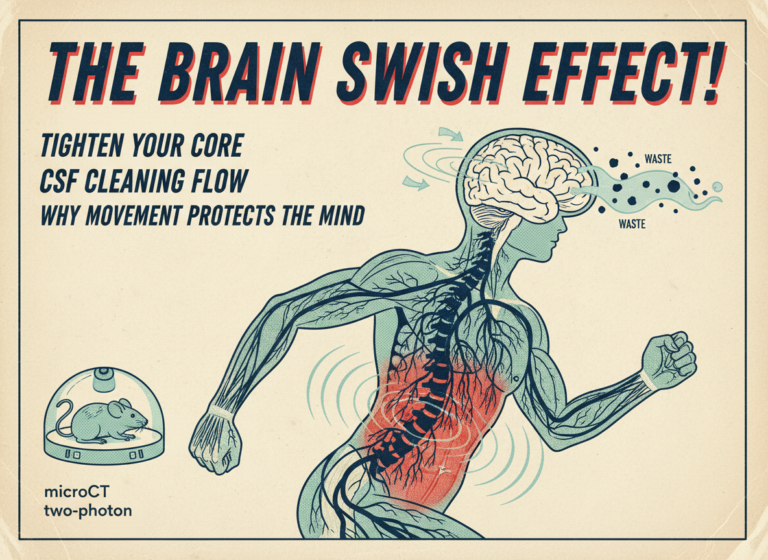
Every Time You Tighten Your Core, Your Brain Gently Swishes Around. That Might Be Keeping You Sane.
When you tighten your abdominal muscles — whether you are walking, standing up from a chair, or doing anything that engages your…
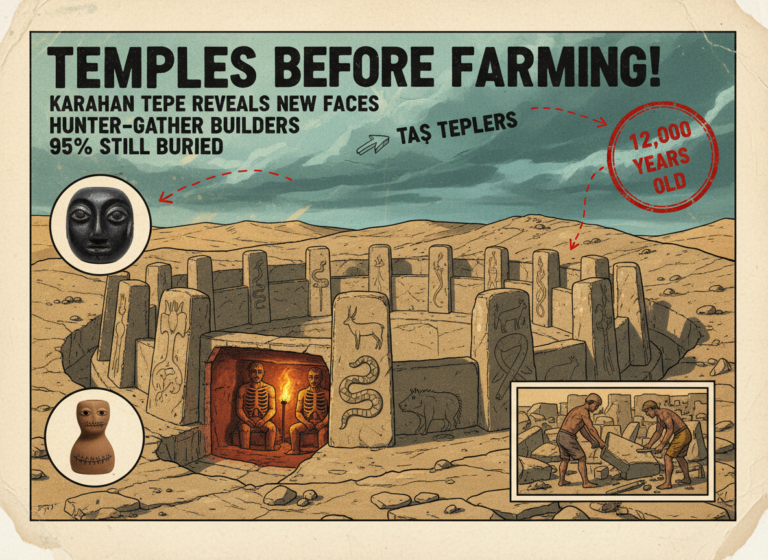
They Built a Temple Complex Before They Had Farming, Writing, or Pottery. New Finds at Karahan Tepe Just Made the Mystery Bigger.
Fresh discoveries at a 12,000-year-old site in Turkey called Karahan Tepe, the possible earliest village in human history, have uncovered more carved…