Original Story
A Significant Number of Survey Respondents Said They Believed Canada Was Building a Secret Army of Genetically Modified Raccoons. The Researchers Made That One Up.
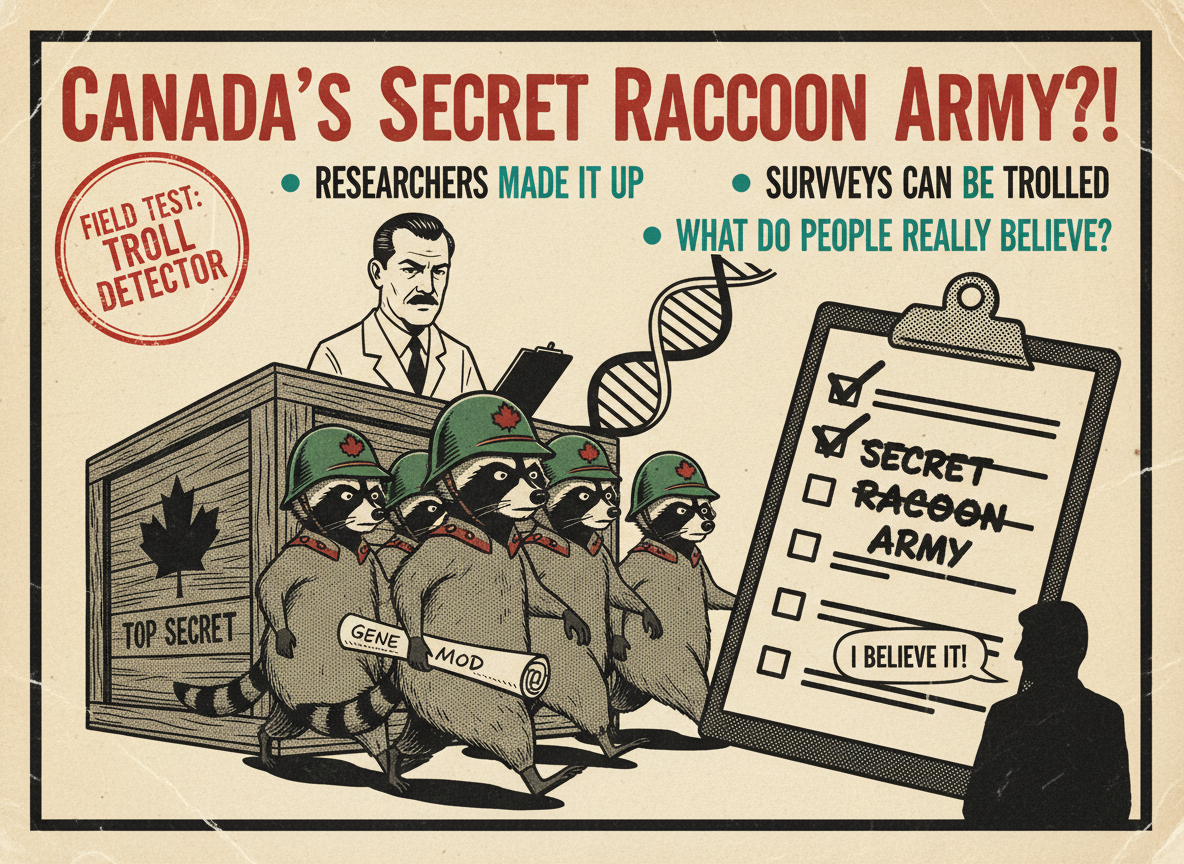
Australian researchers studying conspiracy theory belief have published a finding that poses a significant methodological problem for the entire field of conspiracy research: a meaningful proportion of people who complete conspiracy belief surveys are not answering honestly. They are trolling. In a 2024 Australian survey, researchers deliberately inserted a conspiracy theory they had fabricated from scratch — one describing a secret program by the Canadian Armed Forces to develop genetically modified raccoons for invasion purposes — alongside legitimate conspiracy theories. When the results came in, a significant number of participants had declared that the raccoon army conspiracy was true. This is a problem that runs much deeper than one absurd survey question. It suggests that years of academic research into how many people believe which conspiracy theories may have been measuring something else entirely: how many people will claim to believe something ridiculous when a researcher asks them.
To understand why this matters, you need to know how conspiracy belief research typically works.
Most major studies in this area are surveys. Researchers assemble lists of conspiracy theories — ranging from well-known ones like “the moon landing was faked” or “9/11 was an inside job” to more esoteric ones — and ask participants to rate how likely each is to be true on a numbered scale. They then analyze the results to understand the demographics, psychology, and reasoning styles of people who score high on conspiracy belief. The entire field of research into conspiracy belief, which has expanded dramatically over the past twenty years, rests substantially on this methodology.
The raccoon study, as it is now being informally called, raises a direct challenge to that foundation. If people are willing to say they believe in a made-up invasion army of genetically modified raccoons, what are they actually doing when they answer these surveys? The most likely explanations include: genuine amusement at the absurdity of the question, leading to a deliberate joke answer; a general contrarianism toward surveys and researchers, expressed as affirming the most outrageous option; social identity signaling, in which saying you believe a wild conspiracy theory communicates something about your group membership or your attitude toward authority, regardless of your actual beliefs; or simple inattentiveness, where people tick boxes without processing the actual content.
Why the Raccoon Is So Useful as a Test Case
The genetically modified Canadian raccoon invasion army is, to put it plainly, not a conspiracy theory anyone could actually believe. Canada’s military is not large enough, adequately funded enough, or remotely motivated to conduct genetic modification programs targeting raccoons for offensive deployment against foreign nations. There is no documented raccoon-based military technology in any country on Earth. The theory has no plausible mechanism, no documentation, no whistleblowers, no leaked documents, and no community of believers who developed it over time. It is a placeholder for maximum absurdity.
This distinguishes it from theories that sit in the grey zone — ideas that are wrong but psychologically coherent, like “pharmaceutical companies suppress cancer cures” (plausible motive, familiar narrative structure) or “governments secretly monitor all digital communications” (largely confirmed as true by the Snowden revelations). The raccoon theory has none of those features. Saying you believe it is not the same kind of act as saying you believe in chemtrails.
The researchers’ conclusion is that if a significant percentage of people will affirm raccoon-invasion-army as credible, then self-reported conspiracy belief surveys are probably over-counting genuine belief and under-counting performance. People who say they believe flat Earth may, in some percentage of cases, be people who enjoy saying that kind of thing in a survey context, rather than people who actually think the planet is flat.
What the Implications Are for Everything We Think We Know
The study does not conclude that conspiracy belief is not real or not widespread. It concludes that the tools used to measure it are more contaminated by non-believers performing belief than the field previously assumed. The practical consequence is that figures you may have seen reported in news coverage — “X percent of Americans believe the moon landing was faked” — should be read with more caution than they generally receive.
There is also a positive implication hidden inside the unsettling finding. If some portion of the people who appear to support fringe theories are actually just performing support rather than genuinely holding those beliefs, then the actual prevalence of sincere conspiracy belief is probably lower than headline survey numbers suggest. The raccoon army never existed. Neither, apparently, does a measurable fraction of its defenders.
Sources: IFL Science — Army of Genetically Engineered Military Raccoons Demonstrates How Trolls Can Skew Conspiracy Theory Research (May 2026) — Unexplained Mysteries — People May Pretend to Believe in Conspiracy Theories, Study Finds (May 12, 2026)
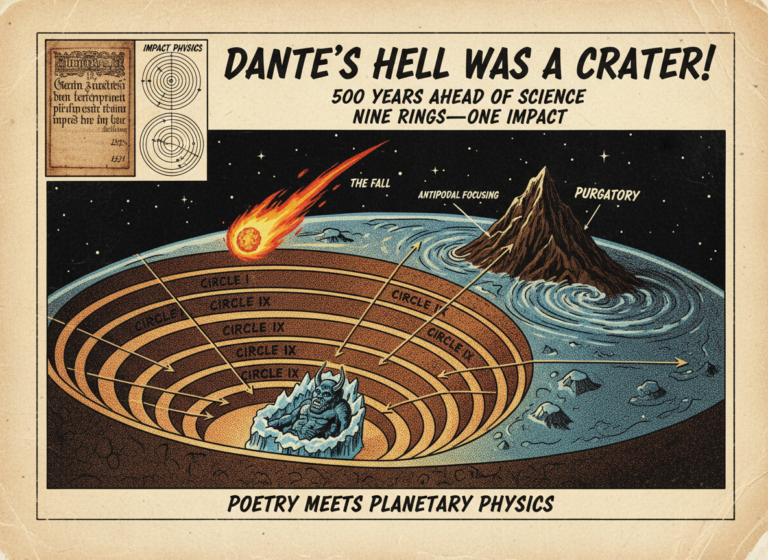
A Medieval Poet Described Hell as a Planetary Impact Crater 500 Years Before Science Had the Concept. Researchers Just Worked Out the Physics.
A new study presented at the European Geosciences Union General Assembly in Vienna in May 2026 makes a case that is extraordinary…
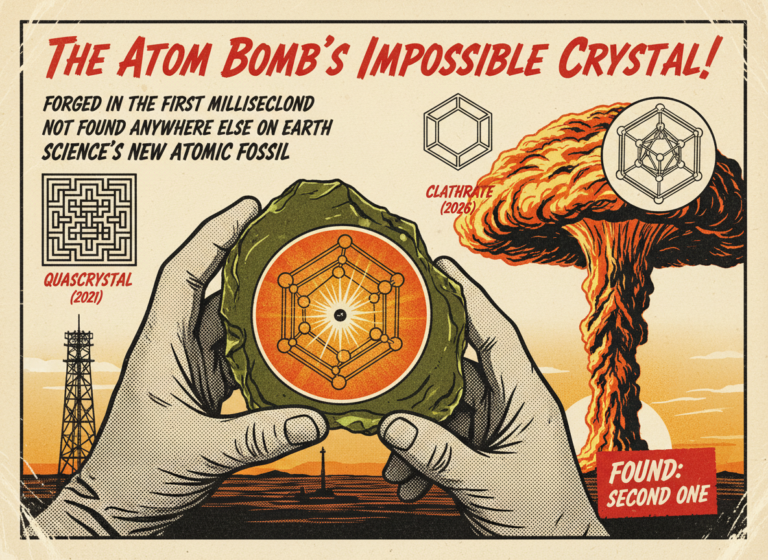
The First Nuclear Bomb Forged a Crystal That Doesn't Exist Anywhere Else on Earth. Scientists Just Found a Second One.
On July 16, 1945, at 5:29 a.m. in a remote stretch of desert in southern New Mexico, the United States Army detonated…
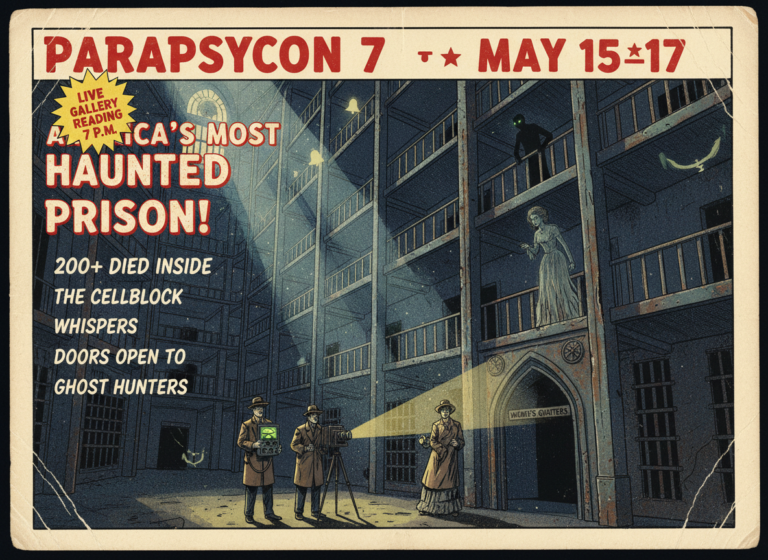
The Most Haunted Prison in America Opens Its Doors to Ghost Hunters Last Night. Over 200 People Died Inside.
The Ohio State Reformatory in Mansfield, Ohio, has been called the most haunted prison in America — and last night, May 14,…
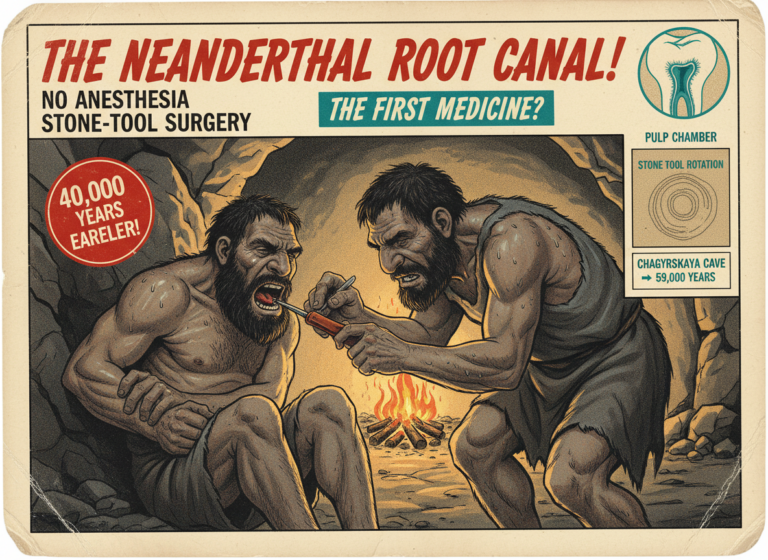
A Neanderthal Had a Toothache 59,000 Years Ago. Someone Drilled It Out With a Stone Tool.
A tooth found in a Siberian cave just rewrote the history of medicine. Scientists confirmed on May 13, 2026, that a Neanderthal…