Original Story
95 Percent of People Think Alien Life Probably Exists. They Just Assume Everyone Else Disagrees.
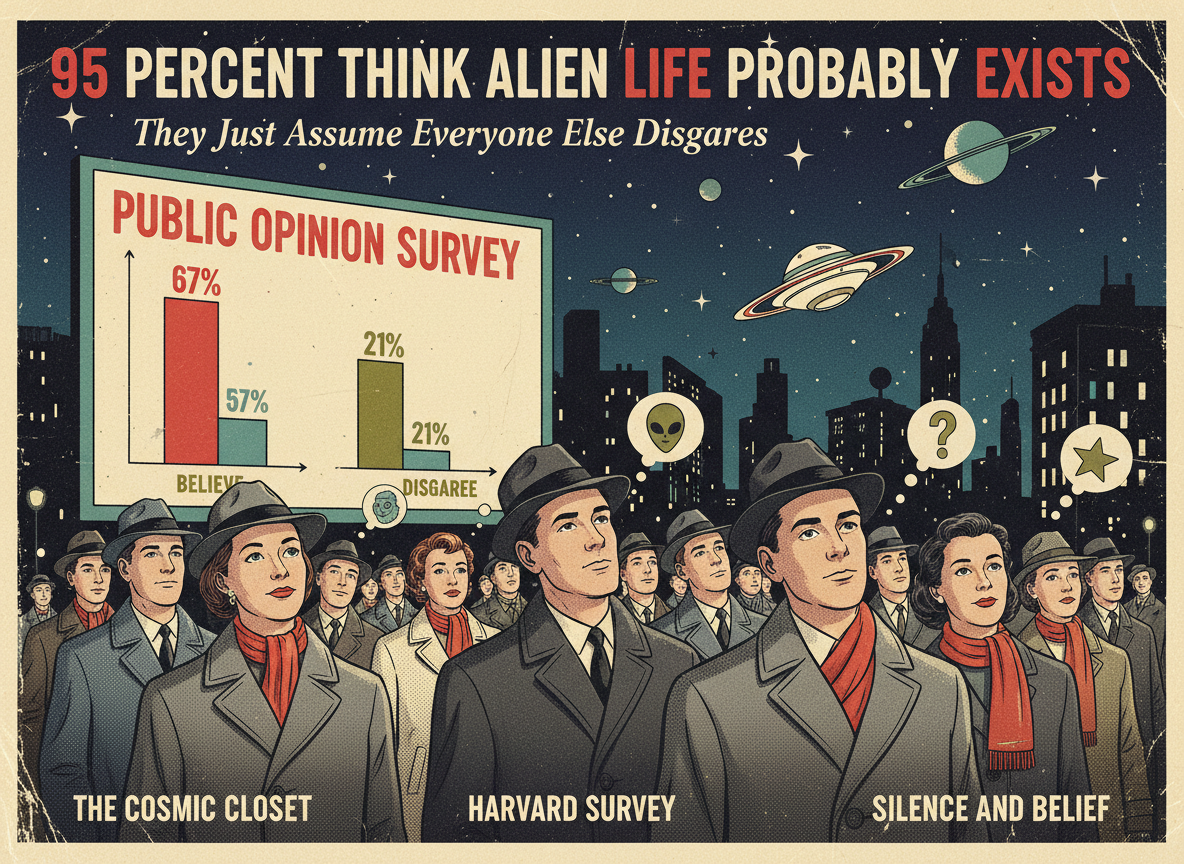
A new Harvard study led by Avi Loeb surveyed 6,060 people on their beliefs about extraterrestrial intelligence. The average personal estimate: 67 percent probability it exists. Their estimate of what others believed: 21 percent. The 46-point gap has a name. The implications for UAP discourse are significant.
The study did not ask about sightings, classified programs, or government cover-ups. It asked one question: how likely do you think it is that intelligent extraterrestrial life exists somewhere in the universe? Participants gave a number between 0 and 100.
The average answer was 67 percent. About 95 percent of participants placed their estimate above 50 percent, meaning they believed extraterrestrial intelligence was more probably real than not.
Then participants were asked to estimate what percentage of the people in their own social circles held the same belief.
The average answer was 21 percent.
The Cosmic Closet
The researchers named the 46-point gap the “cosmic closet.” The term borrows from the psychology of coming out. People privately hold a belief they assume is socially unpopular. Because they assume others are more skeptical, they stay quiet. Because they stay quiet, everyone assumes everyone else is skeptical. The silence reinforces a perceived norm that almost no one actually holds.
Dr. Jennice Vilhauer, writing in Psychology Today this week, frames this through the lens of pluralistic ignorance, a well-documented concept in social psychology. The classic demonstration is college drinking norms: students consistently overestimate how comfortable their peers are with heavy drinking, even when most of their peers privately share their own discomfort. Nobody challenges the norm because everyone assumes everyone else endorses it.
The parallel to UAP belief is exact. Nearly everyone in the Harvard study believed alien life was probably real. Nearly everyone assumed they were in a minority. Neither assumption was accurate.
What the Silence Costs
Vilhauer notes that when people underestimate how widely a belief is shared, they are less likely to discuss it publicly, pursue it academically, or support it professionally. Researchers who might otherwise investigate anomalous phenomena self-censor. Institutions that might fund serious UAP study hesitate because they assume the public will see it as disreputable.
The Harvard data says the public does not see it that way. The public has quietly concluded, in very large numbers, that life elsewhere in the universe is the more probable scenario. They have just been assuming, incorrectly, that they are alone in that conclusion.
The study did not address beliefs about non-human intelligence visiting Earth, UAP cover-ups, or the disclosure process. Those are separate and more contested questions. But the baseline finding is what it is: 95 percent of a large, educated sample believes extraterrestrial intelligence probably exists somewhere in the universe. This is not a fringe position. The cosmic closet is a social illusion sustained entirely by collective silence.
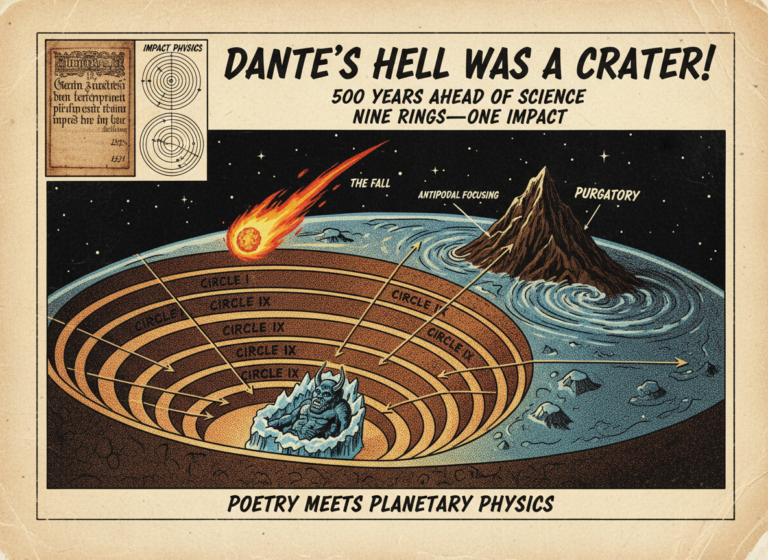
A Medieval Poet Described Hell as a Planetary Impact Crater 500 Years Before Science Had the Concept. Researchers Just Worked Out the Physics.
A new study presented at the European Geosciences Union General Assembly in Vienna in May 2026 makes a case that is extraordinary…

The First Nuclear Bomb Forged a Crystal That Doesn't Exist Anywhere Else on Earth. Scientists Just Found a Second One.
On July 16, 1945, at 5:29 a.m. in a remote stretch of desert in southern New Mexico, the United States Army detonated…
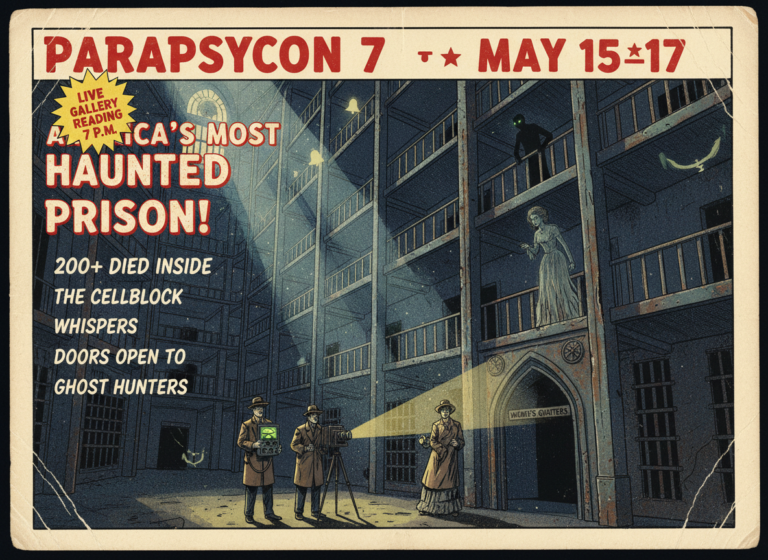
The Most Haunted Prison in America Opens Its Doors to Ghost Hunters Last Night. Over 200 People Died Inside.
The Ohio State Reformatory in Mansfield, Ohio, has been called the most haunted prison in America — and last night, May 14,…

A Neanderthal Had a Toothache 59,000 Years Ago. Someone Drilled It Out With a Stone Tool.
A tooth found in a Siberian cave just rewrote the history of medicine. Scientists confirmed on May 13, 2026, that a Neanderthal…