Original Story
The Film That Fooled the World for 59 Years Just Got a Confession on Camera
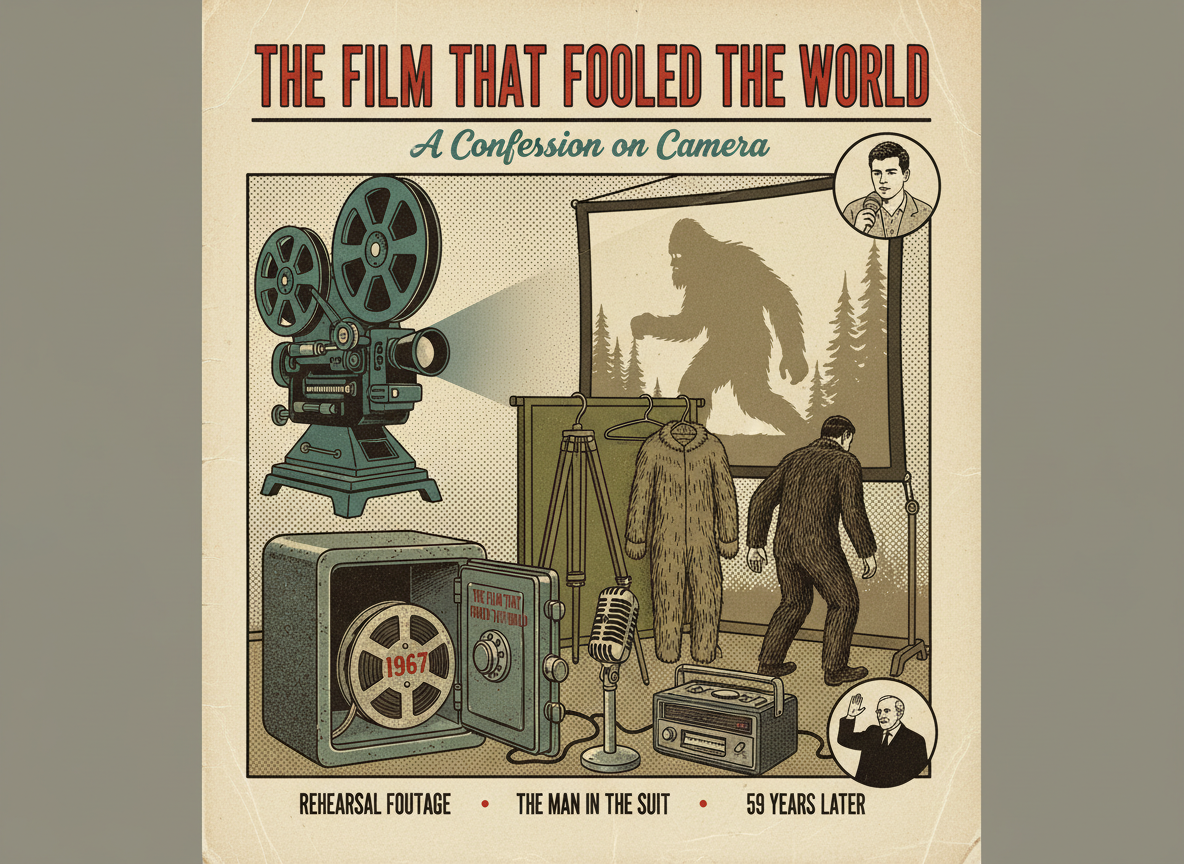
A documentary that premiered at SXSW this week contains rehearsal footage locked in a safe since 1967, a son who called his father a liar on camera, and a man who says he wore the suit. The Patterson-Gimlin film has its verdict.
Roger Patterson died believing in Bigfoot. That much, everyone who knew him agrees on. He also died in 1972 knowing he had left his wife and three young children with a footage reel that was generating licensing fees, touring income, and a mythology that would outlast him by decades. Whether those two things — genuine belief and calculated deception — can exist in the same man simultaneously is the most interesting question raised by Capturing Bigfoot, the documentary that premiered at the 2026 South by Southwest Film & TV Festival this week to reviews calling it the definitive final word on the most analyzed piece of film in American history outside the Zapruder footage.
Director Marq Evans received the material that made the documentary possible in 2024, when Teresa Brooks — a film instructor at Olympic College — reached out to him after her father, Norm Johnson, died. Johnson had spent years running the film lab at Boeing’s Seattle facility. He was connected to Patterson and Gimlin through his brother Dave. He had developed the Patterson-Gimlin film in 1967. And locked in his safe, undisclosed for nearly 60 years, was a reel of 16mm footage that Johnson’s wife had suspected, and feared, was evidence of a hoax she wanted no part of.
What the Reel Contains
The footage is a 40-second clip created in 1966 — a year before Patterson and Gimlin traveled to the Six Rivers National Forest in Northern California where they claimed to capture footage of a female Bigfoot walking across a sandbar. The new clip shows rehearsal. Planning. Preparation for something the final film was never supposed to look like it had.
Evans showed the footage to Clint Patterson — Roger’s son, now 66, a rancher in Montana. Clint had learned from his mother years earlier that the film was a fake. He had been waiting for someone to give him a way to tell the truth. When Evans showed him the reel, he agreed to talk on camera.
The Man Who Wore the Suit
Bob Heironimus is 80-something years old and has been telling anyone willing to listen since 1999 that he was the person inside the Bigfoot costume in the 1967 footage. He has been largely dismissed by believers, cited by skeptics, and ignored by most of the mainstream press. In Capturing Bigfoot he appears on camera again — and the rehearsal footage, when set alongside his natural gait in existing video, makes the case in a way that previous testimony alone could not.
Bob Gimlin, 94, did not participate in the documentary. The rehearsal footage, however, includes him — placing him at the scene of the planning in a way that ends his long-standing public claim that he had no knowledge of any hoax.
What the Documentary Doesn’t Say
Capturing Bigfoot is careful about one distinction, and it deserves credit for it: the Patterson-Gimlin film being a hoax says nothing about whether Bigfoot exists. Patterson himself, by all accounts, genuinely believed the creature was out there. He didn’t fabricate the footage because he thought Bigfoot was fictional. He fabricated it because he was dying, he needed money, and he believed that eventually the real thing would be found and vindicate everything.
The suit’s current location is unknown. Heironimus wore it. The hoax was real. And the creature Patterson spent his life looking for remains, as it always has been, an open question that 59 seconds of staged footage neither confirmed nor closed.
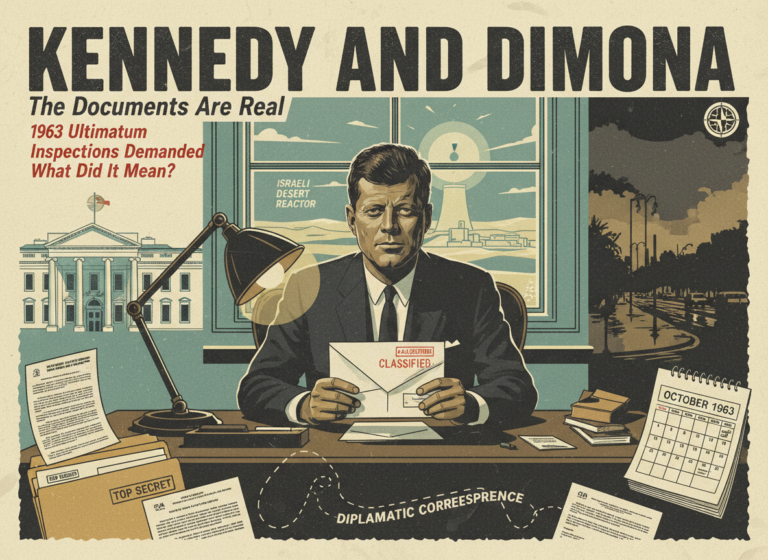
Kennedy Pushed Hard on Dimona. Then He Was Killed. The Documents Are Real — the Question Is What They Mean.
The JFK-Dimona thread is back in the feed today via Conspiracy Unearthed. The documented history of what Kennedy was actually doing about…
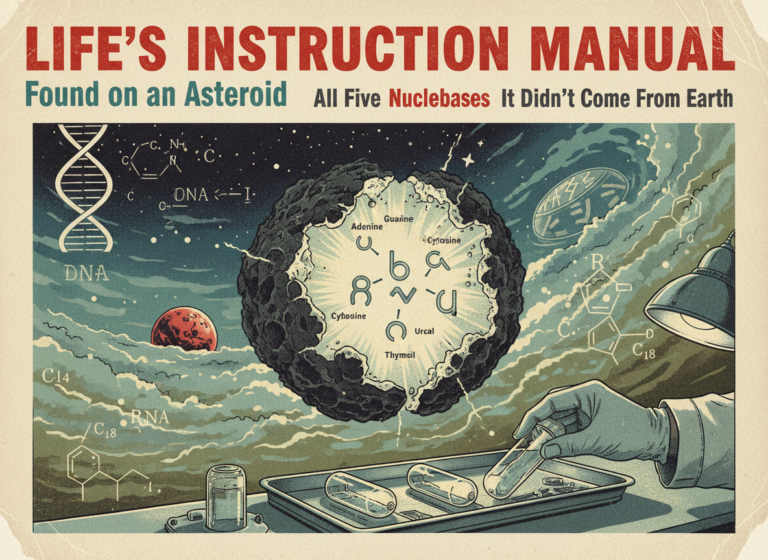
Life's Instruction Manual Was Found on an Asteroid — And It Didn't Come From Earth
Researchers at Hokkaido University have confirmed that samples from the asteroid Ryugu contain all five nucleobases — the molecular letters of DNA…
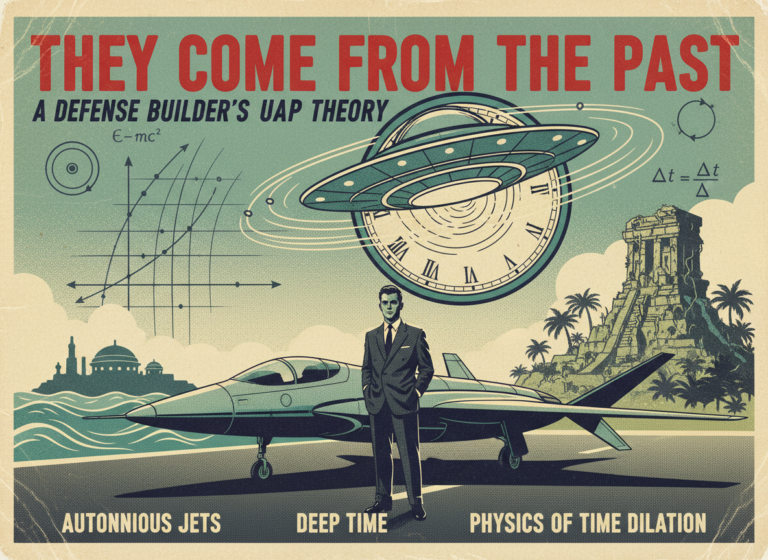
The Man Who Builds Autonomous Fighter Jets Says UFOs Probably Come From the Past — and He's Thought About the Physics
Palmer Luckey founded Oculus, sold it to Facebook for $2 billion, then built Anduril Industries — one of the most significant autonomous…
39 Shows in the Directory — Your Guide to the Fringe Feed Podcast Index
The Fringe Feed indexes 39 active fringe podcast shows across six categories. 🛸 If You're Here for UAP and Disclosure UFO Chronicles…